
Stay Independent Longer With These Weekly Senior Routines
There’s no magical spell for aging well. Habits that center on prioritizing movement, safety, and overall health can make a meaningful difference, according to research from the Centers for Disease Control’s Healthy Aging program and the National Institute on Aging. To help you stay independent longer, we’ve put together some sample senior routines to inspire you to make your own schedule changes that will make the biggest difference in your life.
Quick Answer
Regular movement, activity, social connection, mental stimulation, and rest are key factors in maintaining mobility and function over your lifetime. It’s never too late to begin incorporating changes into your weekly routine to set you up for aging independence.
What an Independent Routine Looks Like
A senior lifestyle routine depends entirely on the person living it. Some folks crave more structure to their days and weeks, and others want ultimate flexibility. By using this sample week as a jumping-off point, you can build a weekly routine that you’ll love and that will help you create the independent lifestyle you want.
Sunday
- Use this day to connect regularly with loved ones through planned (or spontaneous!) visits or phone calls.
- Plan out your meals for the week, making grocery lists ahead of time to reduce shopping stress.
- Look over your weekly to-do list. Knowing what your week holds before getting up on Monday morning helps to regulate your nervous system.
Monday–Friday
- Run your errands when stores are quieter, usually mid-morning on weekdays.
- Build moderate exercise into your daily routines, focusing on consistency over intensity.
- Chores are best accomplished spread throughout the week at times you feel best suited to being active.
- Scatter social plans throughout the week, so you have different activities to look forward to.
- Take time to yourself, making sure you have moments to reflect and pursue your own interests.
- Be intentional about connecting with others through spiritual practice, volunteering, movement classes, or seeing a movie with friends.
- Devote one day a week to a new activity. It could be exploring a nearby attraction you’ve heard about or going to see the newest exhibit at the museum. Don’t forget to feed your sense of excitement!
Saturday
- Use the morning to reflect on the previous week. What worked for you? What would you want to change about next week? Then begin making your schedule updates.
- Make your to-do list for the coming week.
- Treat yourself to something you love. A new book. An afternoon of baking. A round of golf with a friend. Celebrate a week well-spent.
Your Weekly Anchors
Schedules like the one above work because they center around five basic anchors: movement, activity, social connection, mental stimulation, and rest.
Movement
Intentional movement makes the difference between maintaining mobility or risking its loss. What matters most is consistency, which is why working it into your weekly schedule can help you succeed. Movement can include:
- A 20–30 minute walk
- Strength training with weights or resistance bands
- Balance- and stretching-focused classes or activities
- Water aerobics or other low-impact exercises
Activity
Research suggests that exercise alone isn’t enough to help our bodies stay strong and healthy as we age. Navigating through real-world scenarios that require us to move in unique and novel ways challenges not just our muscles but also our minds. Here are some ways to stay active in your days:
- Running errands
- Gardening or yard work
- Exploring a new place on foot
Social Connection
More than just mental or emotional support, social connection has physical health benefits too. Schedule some time several days a week to:
- Grab lunch or coffee with a loved one
- Volunteer with others or attend a service or event
- Join a class to meet new people while also learning a new skill
Mental Stimulation
Challenging our minds to do new things is key to healthy cognitive aging. It doesn’t matter if these challenges are small or big. It’s the novelty and quick-thinking we have to do that helps our brains stay agile. Support cognitive health by:
- Learning a new recipe or skill in the kitchen
- Rearranging or organizing a living space
- Auditing a local college class or attend a topical lecture
- Reading a new-to-you book
Rest
Planning rest isn’t laziness; it’s actually vital to your health. Restorative moments and activities provide essential moments for our brains and bodies to relax, repair, and rebuild. Some restful recreation might look like:
- Birdwatching
- Spending time in nature
- Knitting, crocheting, quilting or other repetitive handcrafts
- Meditation
- Slow, breath-fueled movement practices, like yoga or tai chi
Find Built-In Routines at a Life Plan Community
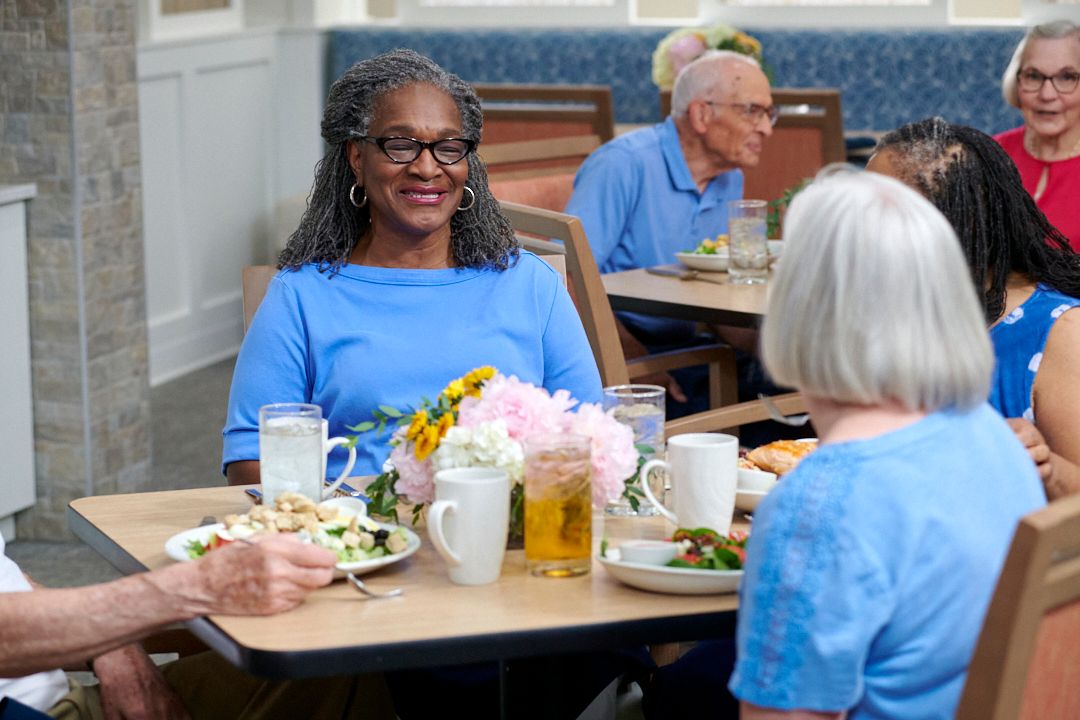
Many seniors find that a Life Plan Community, like John Knox Village in Kansas City, makes creating and sticking to a healthy weekly schedule much easier. On-campus physical and social activities keep your mind and body active, while walking paths, close access to cultural offerings in Kansas City, and communal dining and community spaces foster connection and promote cognitive function.
FAQ
What are the key factors for healthy aging?
Key factors include regular movement, activity, social connection, mental stimulation, and adequate rest. Incorporating these into your routine can help maintain mobility and independence as you age.
How can I create a successful weekly routine?
A successful routine should reflect your personal preferences for structure or flexibility. Consider including social activities, exercise, and time for relaxation throughout your week.
What should my weekend look like for effective planning?
Use Sundays to connect with loved ones, plan meals for the week, and review your to-do list. Reflect on the past week to identify what worked and what you’d like to change moving forward.
Why is social connection important as we age?
Social connection offers both mental and physical health benefits. Engaging with others can provide emotional support and contribute positively to overall well-being.
How can I incorporate mental stimulation into my routine?
Challenge your mind with new activities such as learning a new recipe, attending a local lecture, or reading a book. These practices help keep your brain agile and promote cognitive health.
About John Knox Village
John Knox Village is a leader in senior living services in Lee’s Summit and the greater KC region. The community boasts a diverse range of living options from freestanding homes and apartment homes to villas. With more than 700,000 square feet of common space across the beautiful campus, you’ll find more opportunities and experiences right outside your door.
If you’re exploring Life Plan Communities in Lee’s Summit or the Kansas City area, we’d love to show you all that John Knox Village has to offer. Contact us today, call (816) 251-8000 to schedule a visit, or register to attend one of our upcoming events.